 THE EARNEST TRAVELER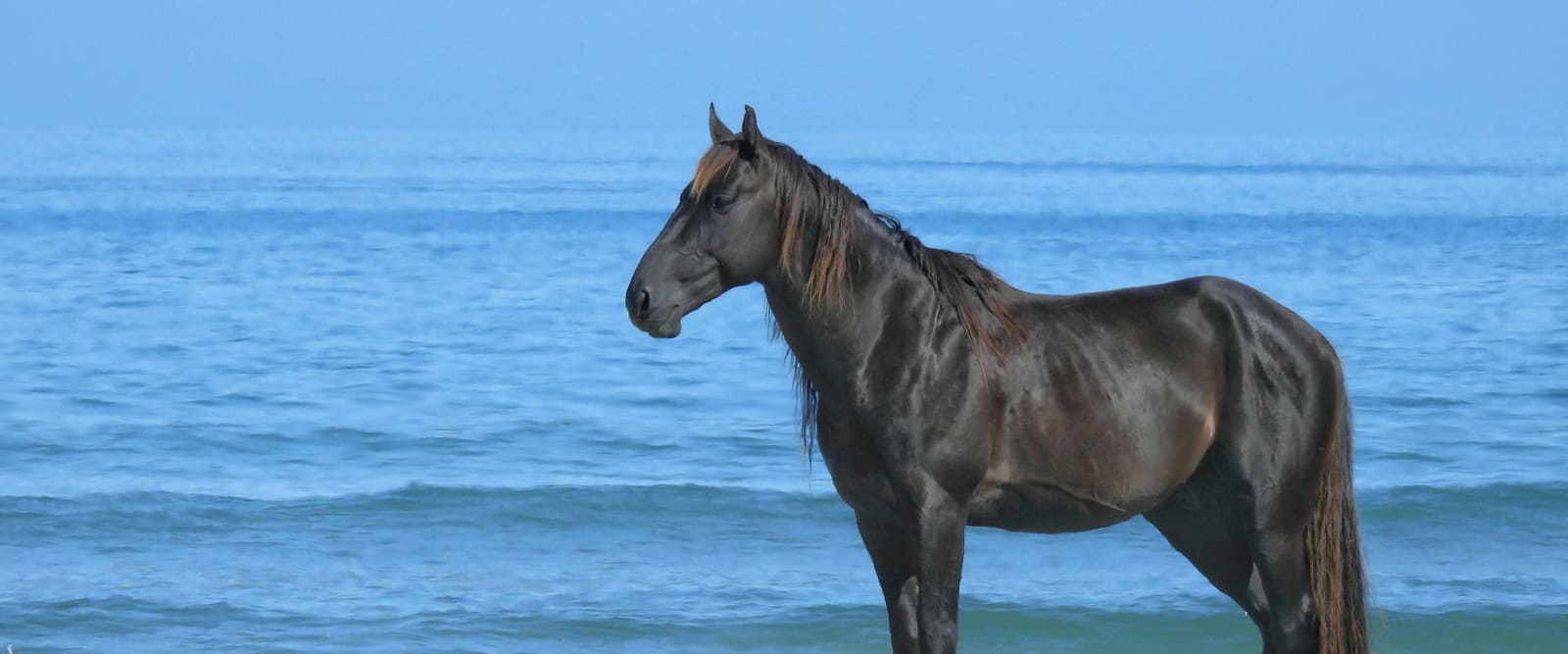
Cumberland Island's feral horses are its signature — a free-roaming, unmanaged herd that has wandered these dunes, marshes, and live-oak forests for generations. Seeing them wild, with no fences and no handlers, is the island's most unforgettable sight.
Where You'll See Them
The horses roam the entire island, but a few places are reliable: the wide meadow around the Dungeness ruins, where they graze against the mansion's shell; the edges of the salt marsh; and out on the dunes and beach. On a day trip, the Dungeness lawns are the surest bet.
An Unmanaged Herd
Unlike some East Coast islands, Cumberland doesn't manage or feed its horses — they live entirely wild, finding their own food and water, weathering the seasons on their own. It makes for a raw, authentic sight, and also a fragile one: the herd's numbers rise and fall with the hard realities of island life.
Watch Responsibly
These are wild animals, not petting-zoo ponies. The park asks visitors to stay at least 50 feet away, never feed or touch them, and give them room — they can and do kick and bite. A long lens or a phone zoom lets you capture them without crowding them, which keeps both you and the herd safe.
Best Times
Early morning and the hours before dusk are when the horses move and graze most, and the low light is best for photos — another reason an overnight beats a midday day trip. On any visit, watch the Dungeness meadow and the marsh edges and you're likely to find them.
The horses look calm, but every year visitors are hurt getting too close. Keep 50 feet, stay quiet, and never come between animals — the best photos come from patience and a zoom, not from walking up to them.
Distance optics and sun protection make the horses easy to enjoy.