 THE EARNEST TRAVELER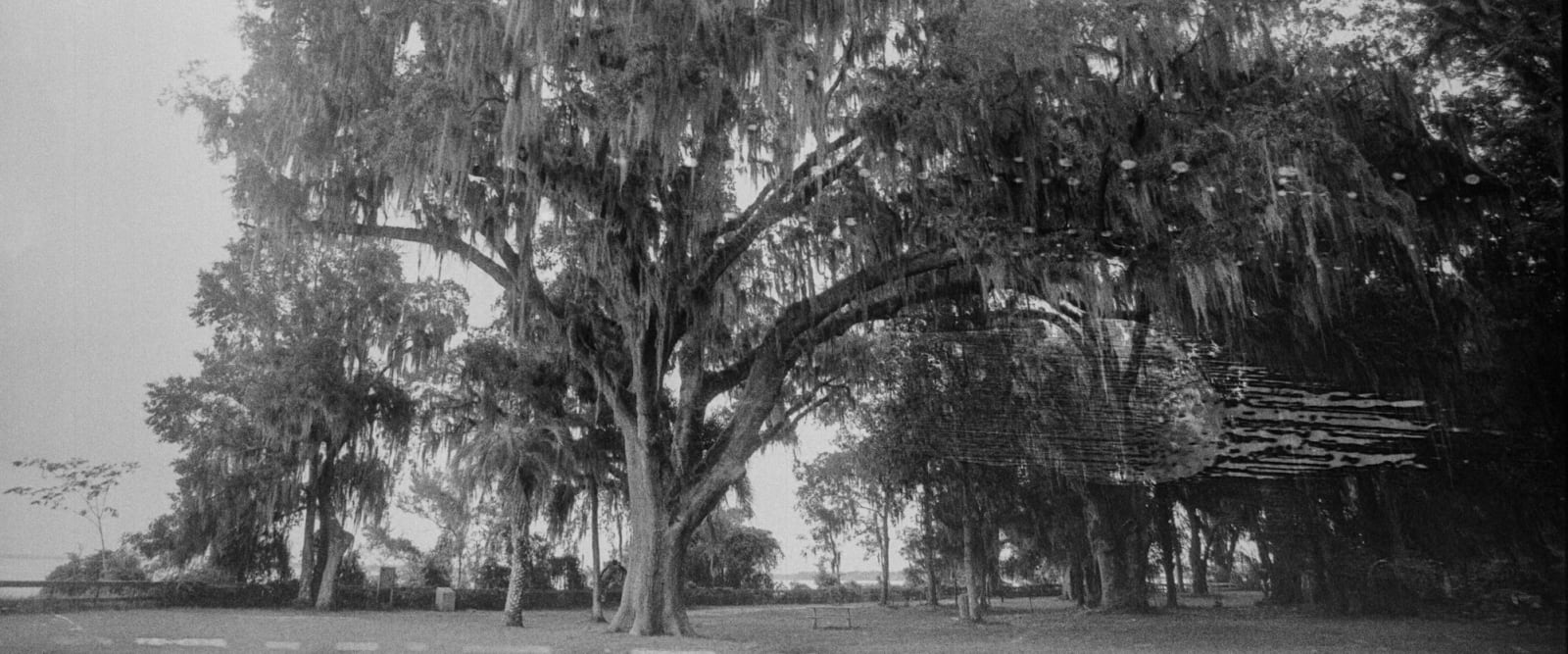
Between the beach and the marsh, Cumberland Island is covered in one of the most beautiful maritime forests on the coast — a shadowed canopy of ancient live oaks and Spanish moss that feels like walking through a painting of the Old South.
A Canopy of Ancient Oaks
The island's interior is dense with live oaks, some 300 years old, their limbs spreading low and wide and hung with Spanish moss, over an understory of palmetto. Sandy roads and trails run beneath the canopy in deep shade — a cool, quiet contrast to the open beach, and the classic Cumberland image after the horses.
Trails Through the Trees
Flat, sandy paths connect the dock, Dungeness, the beach, and the campgrounds through the forest — easy walking or biking, well shaded, and alive with birdsong. Over 240 bird species have been recorded on the island, and the forest is the place to hear and see them.
Wildlife in the Shade
The forest shelters deer, armadillos, wild turkeys, and, often, the horses, which drift in from the dunes to rest in the shade. It's a quiet, watchful landscape — go slow, stay soft-footed, and you'll see far more than you would hurrying to the beach.
The Low Country Feeling
More than any single sight, the live-oak forest is what people remember about Cumberland — the light through the moss, the stillness, the sense of an older, wilder coast. It's free, shaded, and threaded through the whole island; leave time to simply walk it.
On a hot, exposed island, the live-oak forest is where you cool off and slow down. Route your day so you're under the canopy in the heat of midday and out on the beach in the softer morning and evening light.
Comfortable walking and bug protection for the shaded paths.